



“Perfect service and communication! Exceeded expectations in every way. Highly recommend!!”
— Client Review

A contractor fraud investigation is a licensed inquiry that verifies who a contractor actually is, whether the license and insurance they claim are real and current, what their litigation and complaint history looks like, and where the money went if the work was never done. In storm-repair cases it is usually the difference between a recoverable loss and a written-off deposit.
Late August is the wrong time to learn this the hard way. The statistical peak of the Atlantic hurricane season falls in the first half of September, and the pattern that follows a wind event in Florida is predictable: door-to-door solicitation, urgency, a discount for signing today, and a request for a large deposit before any material arrives. After nearly three decades of investigative work, we have found that the pitch is almost always the same, and so are the things that would have exposed it in an afternoon.
Unlicensed activity is not a fringe problem in this state. In 2025 the Florida Department of Business and Professional Regulation investigated 4,853 unlicensed activity complaints and completed 2,026 unlicensed activity enforcement actions, alongside 853 sweeps, stings, and outreach efforts statewide (Florida DBPR, 2026). In the same year the state paid $4,352,242 through the Florida Homeowners' Construction Recovery Fund to homeowners harmed by licensed contractors who behaved badly (Florida DBPR, 2026).
Read those two figures together and the picture is clear. Some of the harm comes from people with no license at all, and some comes from people who hold one. Verifying that a license exists is the first step, not the last one.
The broader fraud environment has not improved either. The Federal Trade Commission reported that consumers lost $12.5 billion to fraud in 2024, a sharp increase over the prior year (FTC, 2025).
Most property owners check one thing: whether a license number comes back valid. That is a start, and it is not enough, because a valid number tells you nothing about who is standing on your driveway.
A proper pre-engagement verification looks at:
1. Identity. Is the person soliciting you the license holder, an employee, or a salesperson working under a borrowed license through a "qualifier" arrangement?
2. License status and scope. Active, current, and correct for the trade and the work being proposed.
3. Insurance and workers' compensation. Verified with the carrier, not with a certificate the contractor emailed you.
4. Entity history. How long the corporate entity has existed, whether it was formed weeks ago, and how many prior entities the same principals have dissolved.
5. Litigation and lien history. Judgments, mechanics liens, prior fraud claims, and pending suits in the counties where the company has operated.
6. Complaint and disciplinary record. State licensing board actions and consumer complaint history.
7. Physical presence. Whether the business address is a real facility, a mail drop, or a residence in another state.
That last item is the one that catches storm chasers most often. A local address on a truck magnet is not a local business.
This is where most of our contractor cases actually begin. A deposit was paid, materials never arrived, the phone number is dead, and the property owner has a signed contract with a company name that no longer answers.
The investigative work at that stage is documentation and location. We reconstruct the entity, identify the human beings behind it, trace the corporate history through registered agents and prior filings, and establish where the principals are now. Insurers use the same work in claim disputes, because a fraudulent repair claim and a fraudulent contractor are frequently the same file.
Recovery depends on whether there is anything to recover from, which is why what an asset search can actually locate matters more than a judgment does. A judgment against a dissolved shell is a piece of paper. A judgment against a person with real property, equipment, or accounts is leverage.
Usually before. Attorneys work from the record they are given, and in construction fraud that record is often thin: a one-page contract, a canceled check, and a phone number. Building the factual file first tends to shorten the legal process and sharpen the demand.
We regularly advise clients that gathering facts before you retain counsel produces a better outcome than the reverse, particularly when the question is whether a defendant is worth pursuing at all. Sometimes the honest investigative answer is that the money is unrecoverable, and knowing that early saves a client from spending good money chasing bad.
• Verify the license yourself on the state's public license lookup, using the name on the contract
• Never pay a large upfront deposit for materials that have not been delivered to your property
• Refuse to sign anything presented as expiring today, including an assignment of insurance benefits
• Ask for the physical business address and look at it
• Get the workers' compensation certificate and call the carrier directly
• Photograph the vehicle, the tag, and the person's identification before work begins
None of this requires an investigator. It requires ten minutes and a willingness to be unpopular for one conversation.
How do I know if a contractor is a storm chaser? The usual signals are out-of-area vehicle tags, door-to-door solicitation shortly after a wind event, pressure to sign immediately, and a request for a substantial deposit before materials are delivered. A recently formed corporate entity with a mail-drop address is another strong indicator.
Can a private investigator help after I have already paid a deposit? Yes. Investigators identify the individuals behind the business entity, trace prior and related companies, document the pattern for law enforcement or civil filing, and determine whether recoverable assets exist before you spend money on litigation.
Is verifying a contractor's license enough to protect me? No. A valid license confirms that someone in the arrangement is licensed, but it does not confirm that the person soliciting you is that licensee, that insurance is current, or that the company has no history of liens and judgments.
Who typically hires an investigator on these cases? Homeowners, condominium and homeowner associations, property managers, insurance carriers and their defense counsel, and attorneys pursuing construction fraud or breach-of-contract claims.
Will an investigation produce evidence that holds up in court? It can when it is done by a licensed professional who documents sources, preserves records properly, and works within Florida law. That standard is the reason work product from a licensed firm survives challenges that a do-it-yourself file does not.
How long does a contractor background verification take? A pre-engagement verification is often completed within a few business days. A post-loss investigation that involves entity tracing and locating individuals takes longer and depends on how many layers the subject has built.
If a contractor is asking for a deposit this week, or if one already took yours, the fastest path forward is a documented factual record. National Business Investigations conducts licensed contractor verifications, construction fraud investigations, and asset location work for property owners, associations, insurers, and counsel. Contact our team to discuss your situation.
Michael D. Julian brings more than 30 years of investigative experience to National Business Investigations. He served as President of the California Association of Licensed Investigators (CALI) from 2005 to 2015 and has led investigations spanning fraud, due diligence, asset location, and complex civil matters for businesses, insurers, and legal counsel. Connect with Michael on LinkedIn.
Focused investigative support for complex, high-stakes matters.
Witness locates, interviews, evidence recovery, financial records investigations, cyber crimes, and asset search & recovery.
Explore Legal Investigations >>Validate claims, identify red flags, document activity, and support defensible decisions in potential fraud matters.
Explore Insurance Investigations >>Executive background investigations, due diligence, business intelligence, theft, computer forensics, and protection support.
Explore Corporate Services >>Gather the investigative information needed to evaluate legitimacy and disability level with clarity and confidence.
Explore Workers Comp Support >>Pre-litigation, mid-case, or post-judgment—identify where assets may reside to support appropriate strategy and settlement.
Explore Asset Discovery >>Obtain evidence that may not otherwise be provable in or out of court—especially when other methods fall short.
Explore Surveillance >>Having been in business for decades, we know there are many investigation companies you can call on. One does not thrive for over fifty years in this industry without a foundation of honesty, integrity, and professionalism.
We can never promise results—but we always guarantee our performance. If you are not happy with our performance, you only pay what you believe our investigation is worth.
Contact us to get started and find out why clients choose NBI for high-accountability investigative support.
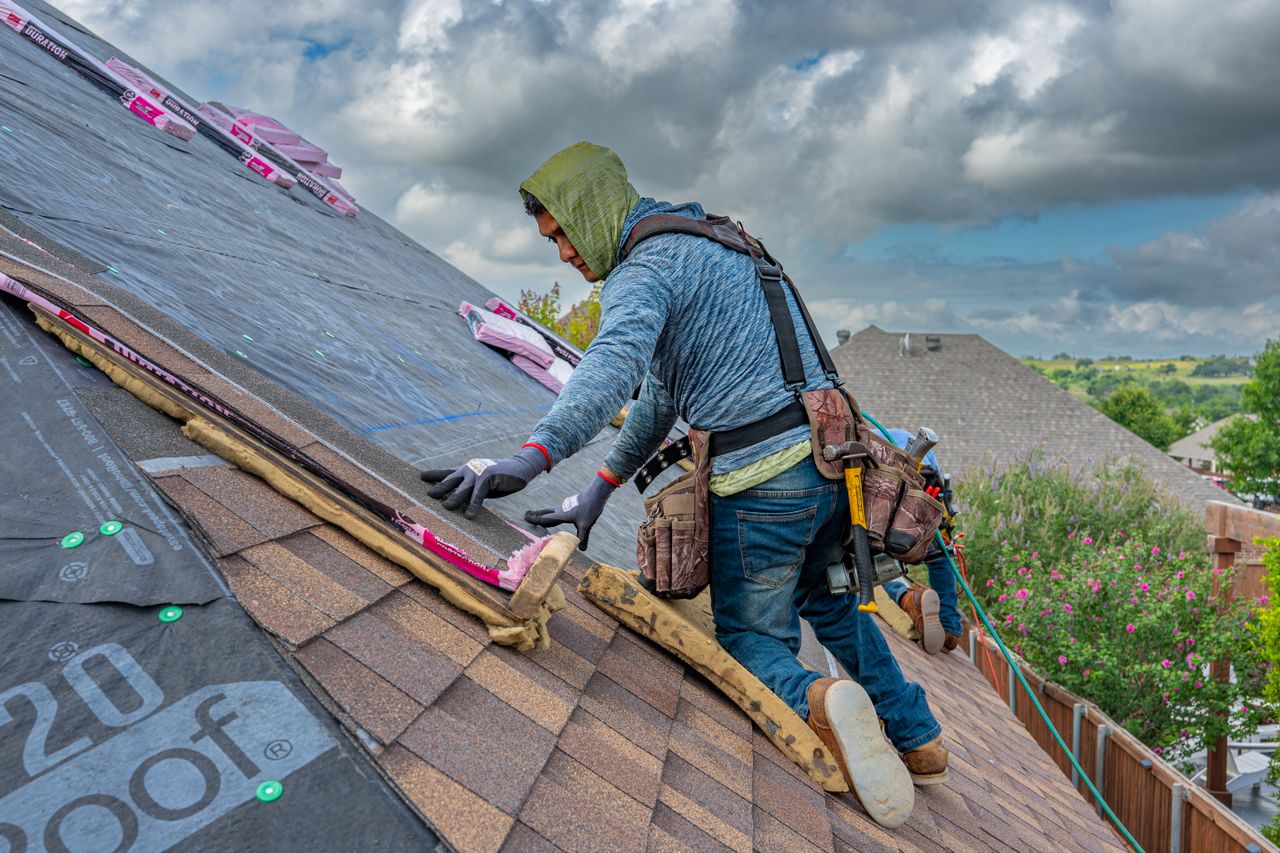
Storm season brings out-of-area contractors, upfront deposits, and disappearing crews. Learn how licensed investigators verify a contractor, document …
By: Michael D. Julian
A standard background check is not enough for a CEO or CFO hire. Learn what an executive background investigation verifies, why boards commission them…
By: Michael D. Julian

Hiring a nanny, caregiver, or household employee means trusting a stranger with your family and home. Learn what a professional background investigati…
By: Michael D. Julian

Shrinkage is not always shoplifting. Learn how professional employee theft and inventory shrinkage investigations identify internal loss, build defens…
By: Michael D. Julian